Affordable Luxury Watch Brands: Entry Points Into High-End Horology Without the £10,000 Price Tag
You do not need five figures to enter serious watchmaking. Spending £12,000 on a watch does not guarantee you understand what you bought.
That gap is why affordable watch brands matter.
Between £1,000 and £8,000, watchmaking starts to change. You begin to see proper mechanical movements, finishes that hold up under inspection, and brands with histories built over decades.
Most collectors begin here. They wear the watch, learn what quality feels like, then decide whether stepping into something like a Rolex Datejust or GMT Master II makes sense. With rising retail prices and tighter authorised dealer access, exploring strong alternatives first has become a rational move.
This guide explains which affordable luxury watch brands deserve attention, how resale behaves, and how buying pre-owned protects your position.

What Defines an Affordable Luxury Watch?
1. Mechanical Movement vs Quartz
If you are buying into affordable luxury watch brands, the movement is where the conversation starts.
Automatic and manual movements represent traditional horology. They run on a coiled mainspring that releases energy through a regulated mechanical system. You can hear it tick. You can see the balance wheel oscillate. More importantly, you can service it. A mechanical watch is designed to be opened, adjusted, and kept alive for decades.
Quartz is different. It runs on a battery and electronic frequency. It keeps excellent time and asks very little from you. But it does not offer the same mechanical involvement or long-term service culture. In this price bracket, mechanical remains the benchmark.
Most watches priced between £1,000 and £8,000 rely on Swiss-made entry-level calibres from ETA or Sellita. These movements dominate the tier because they work. They are stable, widely understood by watchmakers, and practical to maintain. That matters when you think about ownership over ten or twenty years.
In-house movements carry stronger prestige. When a brand designs and manufactures its own calibre, it signals technical investment. That perception can influence resale. Outsourced movements, however, often deliver equal reliability with easier servicing.
2. Brand Heritage and Recognition
Brand history is a defining marker of affordable luxury.
A manufacturer with 50 or more years of continuous production brings documented experience in movement development, case construction, and quality control. That longevity signals stability. It also builds confidence in the secondary market, where buyers favour names with established credibility.
Recognition plays a practical role in ownership. Well-known brands attract stronger resale demand because collectors and dealers understand their product standards, servicing history, and long-term positioning. That familiarity reduces risk perception.
3. Case Materials and Build Quality
Steel choice matters, but finishing matters more.
Most affordable luxury watches use 316L stainless steel, which is durable, corrosion-resistant, and perfectly adequate for daily wear. Some brands use 904L steel instead. It offers slightly stronger resistance to corrosion and takes a brighter polish.
What you should really examine is how the case is cut and finished. Are the brushed surfaces clean? Are the polished edges sharp and intentional? Poor finishing shows quickly, no matter the alloy.
A sapphire crystal should not be optional at this price, as it resists scratches and keeps the watch looking new for years to come. Mineral glass has no place here.
Then look at the bracelet. Solid end links. Tight tolerances. A clasp that closes with confidence, not a thin stamped snap. This is where brands quietly save money, and you will feel it every day on the wrist.
4. Resale Stability
Depreciation tells you how the market views a brand.
Some watches drop close to 40% the moment they leave retail. That usually reflects inflated list prices or weaker demand.
Others hold 70 to 85% when bought correctly. Strong brand recognition and consistent demand protect value.
If you care about upgrading later, resale performance is not a side detail. It shapes how flexible your purchase remains.
8 Affordable Luxury Watch Brands Worth Considering in 2026
1. Omega
Entry Price: £3,000 to £8,000 retail, often lower pre-owned.
Omega qualifies because it offers institutional credibility at a price that still makes sense for a first serious purchase. Founded in 1848, it carries long-standing recognition across sport, diving, and space exploration. That recognition translates directly into resale liquidity. When you sell an Omega, buyers already understand the name.
The technical edge matters as well. Omega’s Co-Axial escapement reduces friction inside the movement compared to a traditional Swiss lever design. In practical terms, that can extend service intervals and help maintain accuracy and stability over time.
Best entry models:
- Seamaster Diver 300M offers ceramic bezel construction and 300m water resistance, making it one of the strongest everyday sports options under £6,000 pre-owned.
- Aqua Terra provides 150m water resistance in a cleaner, more versatile design suited to daily wear.
- Pre-owned Speedmaster Professional carries established collector credibility and broad recognition.
Modern references often use METAS-certified Master Chronometer calibres and offer anti-magnetic resistance up to 15,000 gauss. Few brands in this bracket invest as heavily in measurable movement performance.
Resale remains stable, though typically below Rolex levels. Buying pre-owned significantly reduces initial depreciation and positions you closer to market value from day one.
Omega works best for buyers who want mechanical depth and global recognition without stepping into five-figure pricing.
2. TAG Heuer

Entry Price: £1,500 to £4,000
TAG Heuer occupies a clear space in affordable luxury. It offers Swiss-made sports watches, particularly chronographs, at prices that remain accessible without feeling entry-grade. For many buyers, it serves as the first mechanical Swiss watch that carries real brand recognition.
The company’s motorsport heritage still shapes its identity. From historic racing partnerships to modern Formula One associations, timing precision and automotive design cues remain central to the brand’s image. That connection gives models like the Carrera and Monaco context that newer brands cannot easily replicate.
Best entry models:
- Carrera automatic chronograph delivers a clean racing-inspired design with strong everyday wearability.
- Aquaracer offers a practical entry into Swiss dive watches with solid water resistance and straightforward styling.
- Monaco stands out with its square case, appealing to buyers who want something less conventional.
One of TAG Heuer’s strengths is visibility. Even non-collectors recognise the name, which supports resale liquidity. Pricing also remains competitive compared to many Swiss chronograph competitors, particularly when measured against brands positioned higher in the hierarchy.
Depreciation at retail is common. Buying pre-owned significantly improves value positioning and reduces the initial drop. For value-conscious buyers who want Swiss heritage and strong brand awareness, entering through the secondary market often makes the most financial sense
3. Tudor

Entry Price: £2,500 to £4,500
Tudor works because it feels familiar for a reason. It was founded by Rolex, and that relationship still shows. The cases feel solid. The bracelets feel deliberate. The design language is restrained and functional rather than decorative.
You are buying into the same build philosophy, just without the crown on the dial.
Best entry models:
- Black Bay 58 is the reference most buyers start with. At 39mm, it wears cleanly and has proven resale strength.
- Pelagos offers a titanium case and serious dive specifications. It feels lighter on the wrist but is still purpose-built.
- Black Bay GMT gives you a practical travel function without stretching into Rolex pricing.
Most modern Tudors use in-house COSC-certified movements with around 70 hours of power reserve. That means you can take it off for a weekend and it will still be running Monday morning.
Resale is one of Tudor’s strongest traits in this category. Certain Black Bay references hold steady, especially when bought pre-owned. Many buyers use Tudor as a first step before moving into Rolex, which keeps interest healthy in the secondary market.
4. Longines

Entry Price: £1,500 to £3,500
Longines occupies the refined end of affordable luxury. The brand traces its roots back to 1832, and that long production history shows in its design language. You will notice restraint rather than experimentation. Clean dials, traditional proportions, and a clear link to aviation and dress watch heritage.
Longines has maintained a strong presence in pilot watches and classic formal pieces for decades. That historical continuity gives the brand credibility without pushing pricing into aggressive territory.
Best entry models:
- HydroConquest serves as the brand’s accessible dive watch. It offers practical water resistance, ceramic bezel options in newer references, and a straightforward tool watch aesthetic.
- Spirit Zulu Time brings a GMT function into a well-finished, aviation-inspired case. It competes strongly on price against many Swiss travel watches.
- Master Collection focuses on traditional dress styling, often incorporating complications such as moonphase or calendar displays at relatively modest price points.
One of Longines’ main strengths is pricing discipline. Case finishing is solid, dial execution is clean, and the catalogue offers variety without inflating retail positioning. You can choose between sport, aviation, and dress without leaving the brand.
Resale performance is moderate rather than exceptional. Retail purchases may experience noticeable depreciation. Buying pre-owned typically improves value retention and places you closer to realistic market pricing from the start.
5. Breitling

Entry Price: £3,000 to £6,000 at retail, with lower entry points pre owned
Breitling has always leaned into aviation and presence. The cases are bold and dials are busy. You do not buy Breitling for subtlety, you buy it because you want the watch to feel substantial on the wrist.
The brand built its reputation around pilot chronographs, and that identity still defines it. Slide rule bezels, strong lume, thick cases, and polished surfaces give Breitling a recognisable character that stands apart from more restrained Swiss competitors.
Best entry models:
- Superocean offers a serious dive watch alternative with solid water resistance and strong wrist presence.
- Navitimer remains the brand’s signature piece. Its slide rule bezel and chronograph layout make it instantly recognisable.
- Chronomat provides a more versatile sports option, balancing polished finishing with everyday wearability.
Build quality is a strong point. Cases feel dense and well-machined. Bracelets are solid and weighty, with a clear sense of durability. In newer pieces, Breitling has introduced in-house chronograph calibres, which strengthen its technical standing compared to earlier outsourced eras.
Retail depreciation can be significant. Buying at list price often leads to an immediate drop in market value. On the secondary market, however, pricing becomes far more attractive. Entering pre-owned allows you to access the brand’s build quality and design identity while limiting capital loss.
6. Oris

Entry Price: £1,200 to £3,000
Oris matters because it is still independent. It is not backed by a large luxury group, and that shows in how it prices its watches. You are paying for the watch itself, not heavy advertising campaigns.
The brand has gradually introduced more proprietary calibres, including longer power reserve movements. Many models still use proven Swiss bases, but Oris regulates and finishes them well. The focus has been steady improvement rather than dramatic reinvention.
Best entry models:
- Aquis Date is the modern option. Clean lines, strong bracelet, and practical water resistance. It feels contemporary without trying too hard.
- Divers Sixty-Five is slimmer and more vintage in tone. It wears lighter and suits buyers who prefer warmth over bulk.
- Big Crown Pointer Date is the brand’s signature. The pointer date display gives it identity without excess.
Oris tends to attract buyers who already care about watches. It is recognised within enthusiast circles rather than mainstream luxury buyers.
Resale is steady but not aggressive. It rewards long-term ownership more than quick resale. If you buy well, especially pre-owned, you get strong value for the money.
7. Grand Seiko

Entry Price: £3,000 to £7,000
Grand Seiko competes on finishing.
Look closely at the dial. The texture is not printed decoration. It is cut and layered in a way that changes under different lights. The hands and hour markers are sharply faceted, with mirror-polished surfaces that catch light cleanly. In this price range, very few brands execute that level of detail consistently.
The case finishing follows the same approach. Zaratsu polishing produces flat, distortion-free surfaces rather than a rounded shine. When you tilt the watch, reflections appear sharp, not warped.
Best entry models:
- Snowflake SBGA211 remains the most recognised watch combining a textured dial with Spring Drive.
- Heritage Collection automatics offer a cleaner mechanical alternative.
- Sport GMT models provide travel functionality with the same finishing standards.
Resale has traditionally been softer than major Swiss brands. Awareness outside enthusiast circles is still developing. Buying pre-owned reduces risk and positions you closer to true market value.
8. Hublot
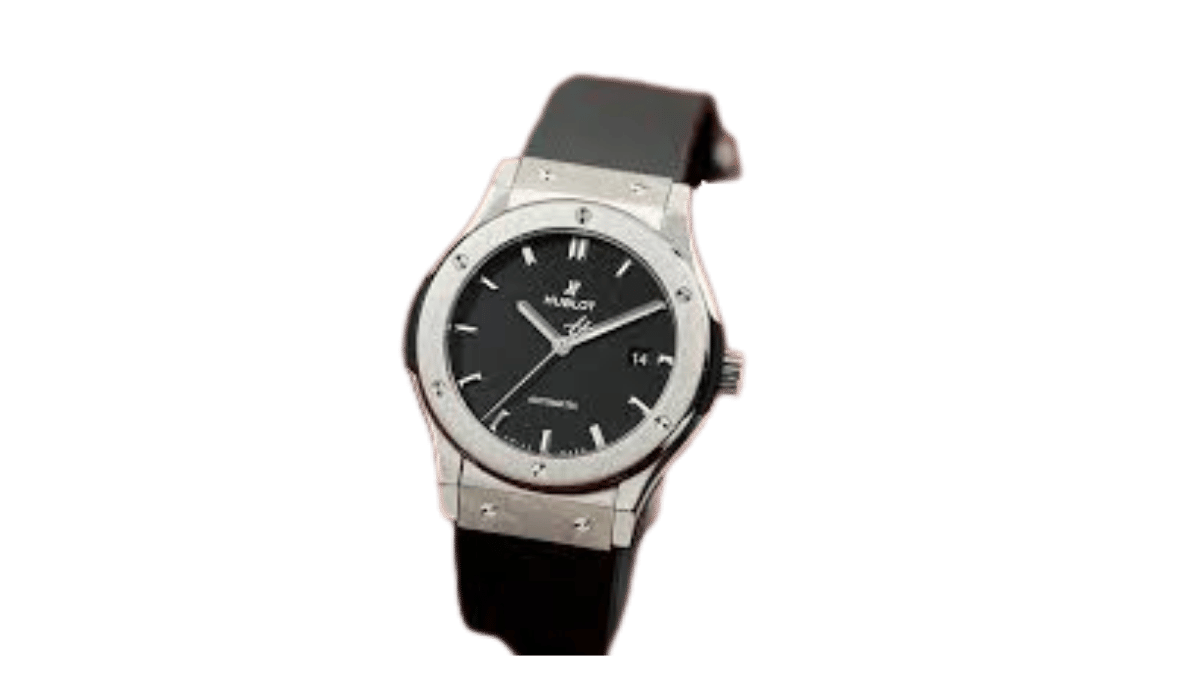
Entry Price: £5,000 to £8,000 at retail, with a lower entry possible pre-owned
Hublot does not try to look traditional. It leans into modern case construction, exposed screws, layered materials, and bold proportions. If you prefer classic round steel sports watches, this will feel like a departure. If you want something that stands apart instantly, that is the appeal.
The brand built its identity around visible design choices. Integrated straps, sandwich dials, and mixed materials define the look. You recognise a Hublot from across the room.
Best entry models:
- Classic Fusion in titanium offers a slimmer profile and cleaner dial, making it the most restrained way into the brand.
- Smaller Big Bang steel models retain the signature case structure while remaining more wearable for everyday use.
Hublot appeals to buyers who want differentiation rather than heritage nostalgia. It does not compete on understated refinement. It competes on presence.
Retail depreciation is significant. Paying full list price often results in a sharp drop in secondary value.
Use the comparison below to identify which brand best fits your budget, style preference, and long-term plans:
Conclusion - Should You Buy a New or Pre-Owned Affordable Luxury Watch?
The answer depends less on emotion and more on timing.
1. Depreciation Reality
Most affordable luxury watches do not behave like a Rolex at retail. The moment you leave an authorised dealer, many models fall between 20% and 40% in market value. That drop has little to do with quality. It reflects supply, brand positioning, and retail pricing structure.
Buying pre-owned shifts the equation. You enter closer to the true market value rather than the list price. The initial depreciation has already been absorbed by the first owner. If you later decide to upgrade, your downside is narrower, and your flexibility improves.
For buyers who see watches as part passion, part financial decision, this difference matters.
2. Authentication and Trust
The secondary market only works when the seller is credible.
Condition, originality, and service history directly influence value. A full set with box and papers supports resale confidence. Documented servicing reduces uncertainty. Even small details such as bracelet stretch or over-polished cases can affect long-term desirability.
This is where working with an established dealer becomes critical. Proper authentication, transparent condition reports, and realistic market pricing protect you from avoidable mistakes.
Time Is Money Watches specialises in sourcing both new and pre-owned luxury watches across the brands. If you plan to move from an entry-level piece into a Rolex later, part exchange often makes more sense than selling privately. Transparent valuations and in-person viewing at the Hale showroom allow you to assess the condition before committing.